
Responsible fish and seafood sourcing: certifications, traceability and practical choices
Responsible fish and seafood sourcing is not just a buzzword, but a practical tool for buyers who want to ensure quality, availability, and reputation in the long term. When responsibility is broken down into parts – certifications, traceability, and clear supplier requirements – decision-making becomes easier and risks are reduced. For a player like Rågårds Lax Oy Ab…

You can leave us a call request
Leave your name and number and we'll call you back.
Responsible fish and seafood sourcing is not just a buzzword, but a practical tool for buyers who want to ensure quality, availability, and reputation in the long term. When responsibility is broken down into parts—certifications, traceability, and clear supplier requirements—decision-making becomes easier and risks are reduced. For a company like Rågårds Lax Oy Ab, ensuring responsibility is also a competitive advantage: the customer can be shown proof of where the product comes from and how it has been handled.
In everyday life, responsibility means, for example, making species selections based on the status of stocks and fishing methods, having a transparent supply chain, and ensuring product information is accurate. From the buyer’s perspective, it’s also about predictability: when requirements and documentation are in order, complaints, recalls, and ambiguities are reduced. The following sections will cover how responsible procurement is built in practice and what questions can help you quickly get to grips with the background of products.
What does responsible fish and seafood sourcing mean in practice?
Responsibility combines environment, people, and business realities. In terms of the environment, the focus is on fish stock sustainability, the impacts of fishing methods (e.g., bycatch and seabed contact), and feed and emissions issues related to aquaculture. Social responsibility emphasises working conditions, legality, and ensuring that the production and processing chain meets basic requirements, including in international procurement.
A useful way for the buyer to consider responsibility is through "three assurances": 1) what species and from what stock, 2) how it was caught or farmed, 3) is the chain documented so that information is retained from one delivery to the next. When these are in order, responsibility is not just an image, but becomes a verifiable part of procurement and customer communication.
Buyer's basic questions These will quickly give you a grasp of whether the product is genuinely under control.
Species and origin What is the FAO area/country and is it a wild or farmed product?
Method of capture or cultivation For example, a pound net, trawl, hook and line, or a certified aquaculture practice.
Documentation Can batch and supplier-specific data be traced backwards?
Quality and handling How is the cold chain and hygiene ensured throughout transportation and storage?
If you want to deepen the purchase situation checklist, you should also read the internal instruction article: What to consider when buying fish and shellfishIt helps to structure not only responsibility but also quality, seasons and practical delivery terms.
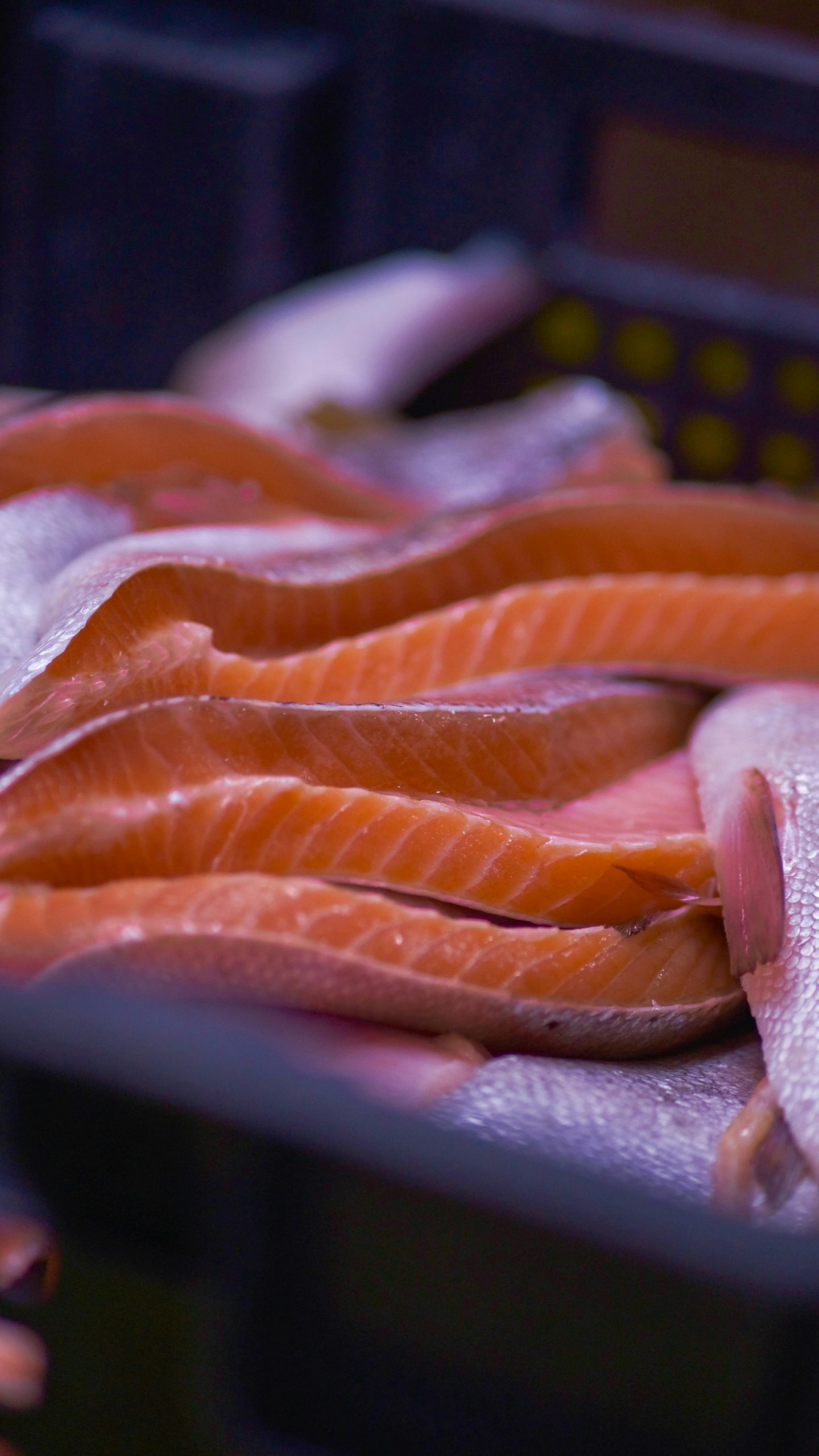
Certificates for responsible seafood procurement: what do they tell us?
Certificates offer buyers a quick signal that a defined standard has been followed in production or fishing, and that the operation has been audited. However, they are not an "automatic approval" but rather part of an overall assessment. For example, on the wild fish side, MSC-type schemes are generally well-known, and on the farmed production side, ASC-type schemes are prominent; in addition, there are various national, regional, and product-specific labels.
From a practical standpoint, it's important to distinguish between two things: the production standard and the chain of custody standard. The production standard specifies the conditions under which fish were caught or farmed. The chain of custody, on the other hand, ensures that a certified product remains separated and documented throughout the supply chain – otherwise, the benefit of the certification can be lost during intermediate storage or processing.
A certificate is a solid starting point, but the best safeguard for the buyer is to combine it with item-by-item traceability and supplier transparency.
Reliable background information and clarifications of concepts can also be found in external sources. For example, Seafood Watch Explain the logic of the responsibility assessment and why the request method and region affect recommendations. When interpreting certificates, it is most important that the documents are up-to-date and relate precisely to the product you are buying – not just to a "similar" product group.
Certificates and responsible fish and shellfish sourcing in the tender request
When responsible fish and seafood sourcing is included in a request for tender, certificates should be recorded as requirements or as criteria for scoring. Ask the supplier to state which standard is being followed, at what stage of the chain the certification is valid, and how batches are identified. This will help you avoid a situation where a certificate is only found in some deliveries or only in certain supply chains.
Documents worth requesting These transform certificates into practical assurance.
Certificate number and validity Check that the validity covers the delivery time.
Chain of custody - evidence Ensures that the chain retains its certified status.
Product Specification Species, fishing area/origin, fishing method/farming method, and processing.
Batch-specific delivery documents Invoices/bills of lading/batch markings linked to traceability.
Traceability: how do you verify the supply chain and batch information?
Traceability is the backbone of responsibility: if you cannot link a product to its batch, supplier, and origin, you cannot justify sustainability claims or react quickly to deviations. In a good system, each delivery batch has a unique identifier, and the information travels along with both physical labels and a digital system.
In practice, traceability means that the buyer can answer the following questions if necessary: what the product is (species and processing), where it originates from (fishing area/country and possible farming unit), when it was caught/harvested, and where it was processed. In addition, the chain must support the "one step back, one step forward" principle: you know the previous supplier and the next recipient. This is also important for food safety and recall management.
Brief note
If industry terms and acronyms feel confusing, a clear glossary will save time and reduce misunderstandings in requests for proposals.
Traceability check: responsible fish and shellfish sourcing at reception
Responsible fish and seafood sourcing isn't just about a contract; it's particularly about receiving. Ensure that the label, bill of lading, and invoice all tell the same story: the batch number, product description, and origin information must match. If there are discrepancies in the information, raise the issue immediately—the sooner a deviation is detected, the easier it is to correct without waste and additional costs.

Supplier Requirements and Auditing: How to Build a Responsible Sourcing Model
When the goal is consistent responsibility, a mere "good supplier" image is not enough. You need written requirements that are monitored for compliance. It is good practice to draft minimum criteria (mandatory) and development criteria (scored) for suppliers, which encourage them to improve their operations. This way, responsibility will not rely on individual memory, but will become part of the process.
Audits can be light or thorough, depending on volume and risk. A light audit involves checking documents (certificates, self-monitoring, traceability description), while a thorough audit may include an on-site assessment and sampling. The subcontracting chain is also important: if the product is processed in multiple locations, the requirements must cover the entire chain, not just the final link.
| Specification range | What is requested from the supplier | Miten ostaja varmistaa |
|---|---|---|
| Traceability | Batch number, origin, fishing/farming method, processing location | Document reconciliation and spot checks at reception |
| Certification | Valid certificate + chain of custody evidence | Validity check and batch-specific linking |
| The cold chain and quality | Temperature monitoring, package markings, storage instructions | Receiving temperatures, complaint data, deviation handling |
| Responsibility communication | Sources and limitations of claims (what can be promised) | Approval process for product cards and sales materials |
When you want to support supplier discussions with concrete examples of sales and supply chain practices, internal fact sheets help. For example 10 facts about selling fish gathers issues that often arise regarding orders, availability, and quality criteria.
Practical choices for the buyer: risks, seasons and communication
Ultimately, responsibility is reflected in the shopping basket: which products are chosen, what their specifications are, and how customers are informed about them. From a risk management perspective, it makes sense to favour supply chains with robust documentation, where the supplier is able to explain any deviations (such as changes in availability or variations in batch data). Seasonal factors affect both quality and availability, and a responsible buyer makes alternative arrangements in advance.
The way sustainability claims are formulated is also important. Avoid vague promises (“always sustainable”) and instead, state precisely what the claim is based on: certification, sourcing area, fishing method, or traceability. When communication is verifiable, it withstands customer questions and regulatory oversight. If changes occur in the chain, transparency is better than silence – it protects the brand.
Quick everyday choices With these, you can keep responsibility with you even during a hectic shopping spree.
Always request batch information Make the batch number and origin a standard requirement, not an exception.
Keep alternative sports ready As the seasons change, a more responsible choice might be another species for the same purpose.
Handle exceptions Who reports, within what timeframe, and what data is submitted?
Standardise product cards The same information for sales, the kitchen, and the stockroom reduces errors.
Finally: responsible fish and seafood procurement is a combination of good choices and disciplined daily routines. When certificates are checked, batch-level traceability is built, and supplier requirements are made clear, procurement does not rely on assumptions. For Rågårds Lax Oy Ab, this means both better quality for the customer and the assurance that promises are verifiable with every delivery.
If you wish to expand your overall understanding of risk management and the points in the process where one typically stumbles, we recommend further reading: The most common risks in the seafood sector - and how to manage them.
Do you want to ensure that your procurement is carried out responsibly?
Ask us how to tailor certificates, batch information, and supplier requirements to your specific needs.
This is how we can help
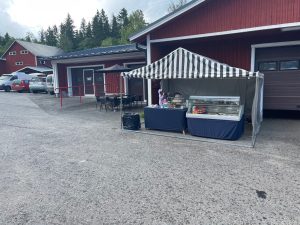
Fresh rainbow trout for sale
I sell domestic rainbow trout fresh daily to various customer groups.
Learn about the service →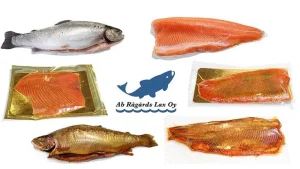
Hot smoked rainbow trout
Prepare and sell warm-smoked rainbow trout for everyday and special occasions.
Learn about the service →Cold-smoked rainbow trout
Prepares and sells cold-smoked rainbow trout to order.
Learn about the service →
Gravad rainbow trout
Offers gravad rainbow trout to customers and for resale.
Learn about the service →
Wholesale and corporate deliveries
To supply fish products to shops, restaurants, industrial kitchens and other business customers nationwide.
Learn about the service →
Orders by phone
Taking orders and further enquiries by telephone.
Learn about the service →Interested? Contact us!
Contact us using the form below