
Wholesaler's Guide: How to Tender and Select a Domestic Rainbow Trout Supplier for a Restaurant or Large Kitchen
Procuring a domestic rainbow trout supplier is one of the most effective ways for a restaurant or large-scale kitchen to ensure a consistent raw ingredient, a functional cold chain, and predictable portion margins. When rainbow trout is on the menu weekly – whether fresh, cured, or smoked – the supplier choice impacts both the kitchen's daily operations and the customer experience. This guide covers…

You can leave us a call request
Leave your name and number and we'll call you back.
Domestic rainbow trout supplier tender For a restaurant or large-scale kitchen, one of the most effective ways to ensure consistent raw materials, a functioning cold chain, and predictable portion profitability is through the selection of a reliable supplier. When rainbow trout is on the menu weekly – whether fresh, marinated, or smoked – the choice of supplier impacts both the kitchen's daily operations and the customer experience. This guide will cover practical criteria, a model for comparing offers, and how to ensure your choice is documented and supports self-monitoring.
Domestic rainbow trout supplier tendering: define the need before offers
It is difficult to compare suppliers if your own needs are vague. That's why Tender for a domestic rainbow trout supplier It is advisable to start by defining the intended use: lunch buffet, à la carte, catering, staff canteen, or ready meals. The demand for rainbow trout can vary according to the day of the week, season, and events – and these variations affect what delivery rhythm and package size are truly most effective.
In a restaurant setting, the ease of handling the fillet, the neatness of the cut surface, and the uniform size of the portions are often emphasised. In a large-scale catering kitchen, additional priorities include logistical efficiency, clear labelling, and the product's versatility to be used in multiple processes (oven, cold preparation, curing) without unexpected quality variations. When these are documented in advance, the tender request becomes clear and comparison becomes faster.
Minimum content of a request for proposal When these points are included, you will get comparable offers and avoid "almost the same" situations.
Product form Fresh rainbow trout (fillet/whole), hot-smoked, cold-smoked, cured.
Packaging sizes and unitisation kg boxes, vacuum-packed fillets, slices; target weight and tolerance.
Delivery rhythm Daily/weekly delivery, order cut-off, seasonal stock.
Quality criteria Filleting, boning, colour, fattiness, salting percentage in processed products.
Documents Wild and hunting/breeding and cultivation markings, temperature records, possible certificates.
If the procurement includes responsibility or traceability requirements, also limit the acceptable options (e.g. domestic origin, delivery route, packaging materials). General information about rainbow trout and its production can be used as background, for example Pink salmon works as a quick reference for concepts and terms.
Reliability of supply and the cold chain: what to demand from a rainbow trout supplier
Reliability of supply doesn't just mean "the car arrives on time", but the predictability of the entire chain: do you receive the agreed quantity, the agreed packaging size, and the agreed quality – even during busy weeks. On the restaurant side, even a small deviation can be seen on the menu (the fish of the day changes), and in a large kitchen, it can wreck the production plan. That's why it's worth asking the supplier for a practical description of their contingency plans: what happens if the ordered batch does not meet quality standards or if demand increases.
The cold chain is directly related to self-monitoring and customer safety. It is advisable to require suppliers to have clear temperature practices and delivery-specific records, as well as packaging solutions for products that can withstand handling and unpacking. If you want to delve deeper into the process from a restaurant's perspective, you should also read the internal guide: How to ensure the cold chain for fish and shellfish.
From a reception policy perspective, it is also advisable to agree on a complaint model in advance: who makes contact, within what timeframe, and on what basis compensation will be made. Once the procedure is documented, there will be no ambiguity in the busy kitchen environment – and the supplier will also know what is expected of them.
The best supplier is not the one who promises the most, but the one who delivers the agreed quality in the same way every time – and reacts quickly when a deviation occurs.
Consistency, packaging sizes and waste management in professional kitchens
Consistency is evident in the size, structure, and handleability of the fillet. When the raw material behaves the same way in every batch, cooking times remain consistent, seasoning is repeatable, and portion sizes match reality. This is also important when trout is served cured or smoked: variations in salt content and smoke intensity directly affect the customer experience.
Packaging size is a factor that is often underestimated. A box that is too large increases waste if demand fluctuates; packaging that is too small increases handling, packaging waste, and the workload at the receiving end. A good supplier can offer alternatives: for example, a standardised kilo/fillet package suitable for the kitchen process, or a pre-portioned solution for specific use cases.
Food Waste Reduction Checklist When these things are agreed upon, the cost per portion of rainbow trout will be better under control.
Guard the cut Trim the fillets to the desired size to maintain consistent cooking and portion weight.
Utilise side streams Ask if you can also get suitable pieces for soups, pastas, or dumplings.
Optimise packaging Choose the packaging size based on consumption and shelf life, not just the price per kilogram.
Reception routines Quality checks are carried out immediately: temperature, smell, surface, packaging markings and batch details.
If you're looking for practical guidance on cutting and the process, an internal article is a good support: Fish Processing in a Professional KitchenWhen processing, packaging, and product batches are aligned, savings are often made through waste and labour time – not just in wholesale price.
Traceability, documentation and allergy risks: the "mandatory" points of tendering
Traceability is both a quality issue and risk management for a business customer. Ask the supplier for a clear description of how batch information travels from production to delivery: in what format you receive the batch number, product dates, origin markings, and any additional information if necessary. When the information is easily accessible, recording self-monitoring and handling potential deviations becomes easier.
The management of allergens and cross-contamination is particularly emphasised in smoked and processed products, where production facilities and lines can vary. Therefore, when tendering, it is advisable to ask how potential allergens (e.g. spices used, glazes or additives) are labelled, and what cleaning and segregation practices are in place during production. You can find a more in-depth internal guide on this topic: Allergens and prevention of cross-contamination.
It is good practice to request a sample label or product specification (PDF) from the supplier during the quotation comparison phase. This allows you to immediately see if the labels meet your requirements and avoids a situation where the product itself is good but the documentation does not meet self-monitoring needs.
Brief note
To ensure that domestic rainbow trout is suitable for your specific process (fresh vs. smoked, packaging size, delivery frequency), please first review the order model and delivery options.
Operating model for comparing tenders: make a transparent decision
When offers are on the table, mere price per kilogram is not enough. The comparison should be built as a scoring system, where price is only one part of the whole. For example, delivery reliability, the risk of quality variation, and the work time spent on handling affect the real cost. Furthermore, service (contact person's availability and speed of response) becomes apparent especially when there is an urgent order or a deviation.
The model below works for both restaurants and large-scale catering kitchens. You can adjust the weighting: in a fine dining restaurant, quality and uniform size may carry the most weight, while in a large catering operation, delivery rhythm, packaging, and documentation may be the most critical. The most important thing is that the decision can be justified from the perspective of procurement and self-monitoring.
| Criterion | What do you check in practice | Score example |
|---|---|---|
| Supply reliability | Delivery rhythm, cut-off, preparedness, and complaint policy | 1–5 (5 = visible and clear process) |
| Continuity | Fillet size/tolerance, trimming, boneless, processed products flavour profile | 1–5 (5 = consistently from the start) |
| Packaging sizes and availability | kg boxes vs. vacuum, portion packs, label readability, risk of waste | 1–5 (5 = fits your process) |
| Traceability and documents | Batch numbers, origin, temperatures, product specifications, self-monitoring support | 1–5 (5 = everything readily available) |
| Service and communication | Contact person, response time, flexibility, problem-solving | 1–5 (5 = rapid and proactive) |
Once scoring is complete, conduct a brief "risk round": what could go wrong and how would it affect your operations? If one supplier is slightly more expensive but reduces waste and improves the smoothness of reception, the overall cost could be considerably better. At this stage Tender for a domestic rainbow trout supplier becoming genuine procurement development – not just price squeezing.
Why is Rågårds Lax Oy Ab a reliable supplier for restaurants and catering businesses
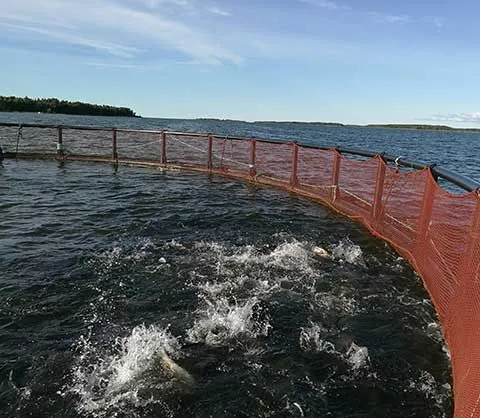
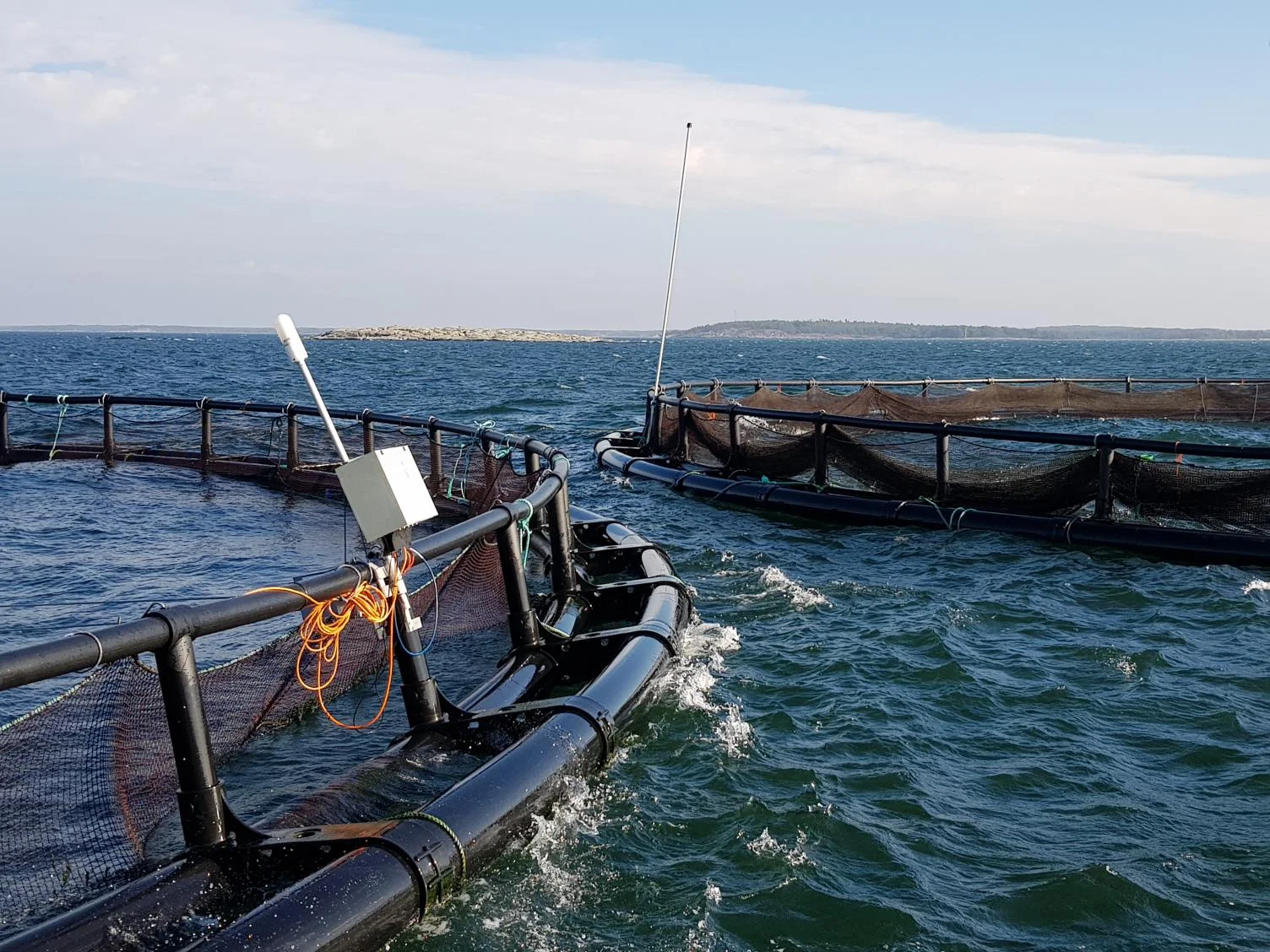
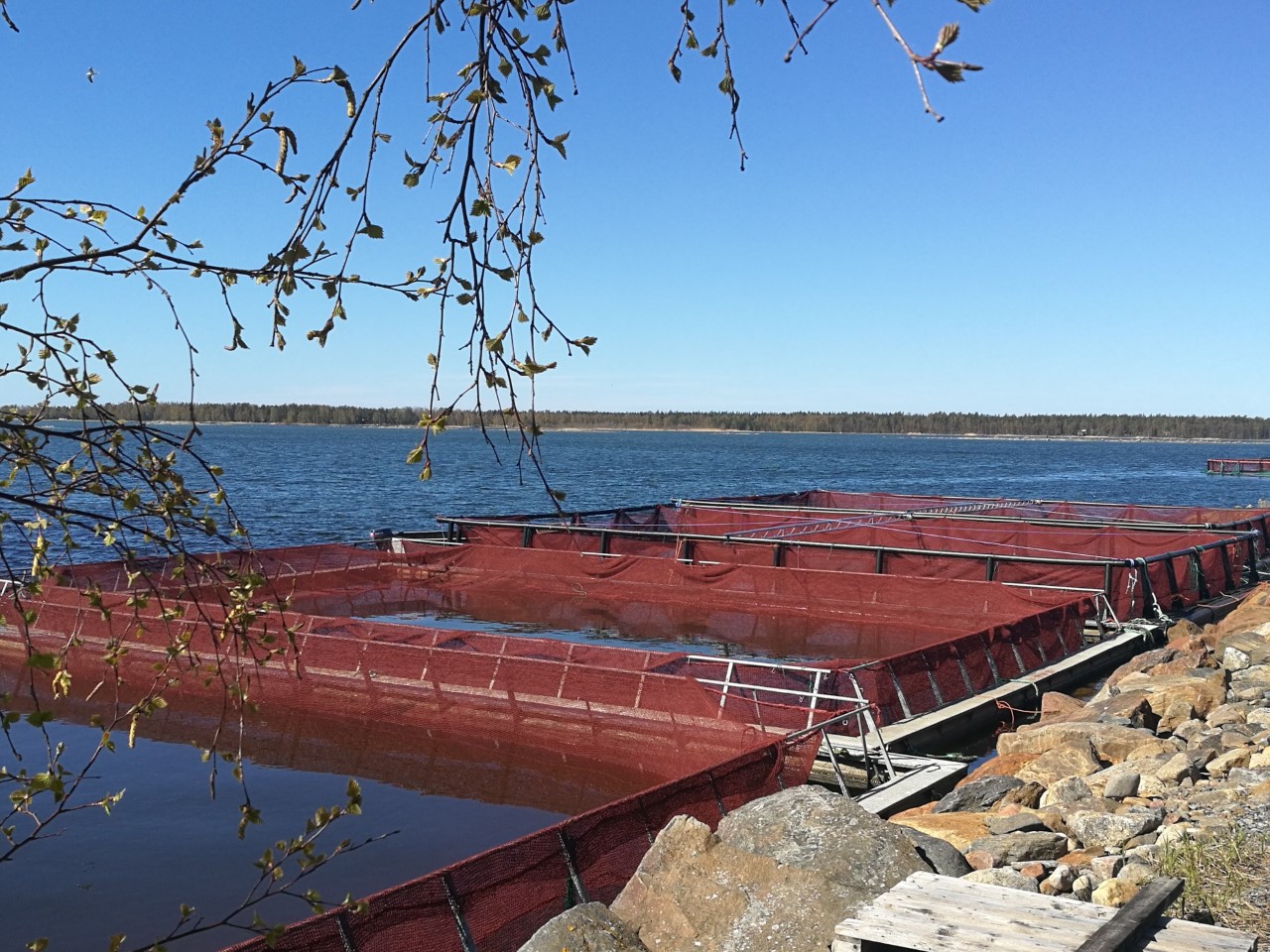
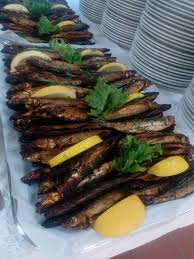
Ab Rågårds Lax Oy (Rågårds Lax Oy Ab) operates in the village of Skaftung in Kristiinankaupunki and combines fish farming and processing under a single operator. The company supplies domestic rainbow trout fresh and processed (hot-smoked, cold-smoked, and gravad) to businesses across Finland. When the origin and processing of the product are under control, it also facilitates the assurance of traceability and consistency.
For a business customer, value is often seen in practical matters: you receive the product form you need through the same channel, deliveries can be adapted to the kitchen's rhythm, and orders can be placed directly by phone without complex intermediaries. If you are comparing suppliers, for example, in Ostrobothnia (Vaasa, Seinäjoki, Närpes) or more widely in Finland (Tampere, Pori), you can agree on operating methods clearly with a domestic partner and build a long-term collaboration.
When you want to proceed quickly, the easiest next step is to discuss your needs directly with the supplier: sales volume, packaging sizes, delivery rhythm and desired product formats. Call Rågårds Lax at +35862229143 and request a quote for business or wholesale customer deliveries. This will also give you a feel for the service – which is one of the most important criteria when choosing a long-term partner.
Request a business quote for rainbow trout easily
Tell us about your consumption, desired packaging sizes, and delivery rhythm – we'll help you choose the right solution for your restaurant or large kitchen.
This is how we can help
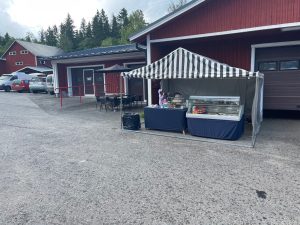
Fresh rainbow trout for sale
I sell domestic rainbow trout fresh daily to various customer groups.
Learn about the service →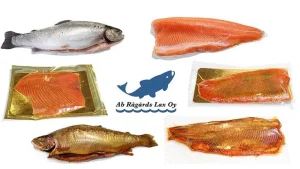
Hot smoked rainbow trout
Prepare and sell warm-smoked rainbow trout for everyday and special occasions.
Learn about the service →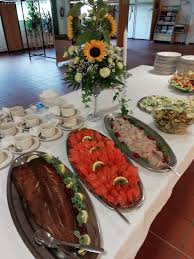
Cold-smoked rainbow trout
Prepares and sells cold-smoked rainbow trout to order.
Learn about the service →
Gravad rainbow trout
Offers gravad rainbow trout to customers and for resale.
Learn about the service →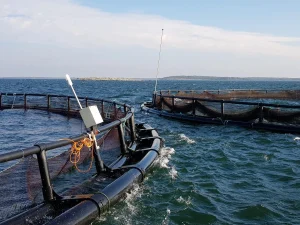
Wholesale and corporate deliveries
To supply fish products to shops, restaurants, industrial kitchens and other business customers nationwide.
Learn about the service →
Orders by phone
Taking orders and further enquiries by telephone.
Learn about the service →Interested? Contact us!
Contact us using the form below