
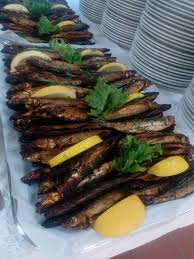
Gravad char always turns out well: salting times, flavour options, and serving ideas for brunch and celebrations
Gravlax is always successful when you keep the curing percentages and maturing times under control and choose fresh, domestic raw ingredients. This guide goes through clear rules of thumb for home kitchens and catering services: how much salt and sugar is needed, how long the fish can be cured, what spices are worth trying –…

You can leave us a call request
Leave your name and number and we'll call you back.
Gravad rainbow trout is always a success when you master the curing percentages and maturing times, and choose fresh, domestic ingredients. This guide provides clear rules of thumb for home kitchens and catering services: how much salt and sugar is needed, how long the fish can be cured, what spices are worth trying – and how to avoid the most common pitfalls.
Ab Rågårds Lax Oy (Rågårds Lax Oy Ab) farms and processes domestic rainbow trout in the village of Skaftung in Kristinestad. When the raw material is fresh and the processing chain is controlled, the success rate of gravad trout increases significantly – and if needed, you can also order gravad rainbow trout ready-made for either home or professional kitchen needs.
Gravad rainbow trout always works: ingredients and preparation
Good gravad lox starts with a quality fillet. Fresh farmed salmon should be firm, with clear flesh and a mild aroma. For success in a professional kitchen, it's also crucial that the fish has been kept cold the entire way and that handling is hygienic: clean utensils, separate chopping boards, and quick working practices reduce risks and keep the flavour fresh.
If the fillet has bones, they should be removed with tweezers before gravad lax. The membrane and excess fat usually don't affect the gravad lax, but a neat cut surface makes the final result more even and easier to slice. If you are making gravad lax for catering, I recommend choosing a fillet of even thickness: this way, curing will proceed more evenly throughout.
Quick checklist before curing These points help ensure that the end result is consistent both at home and in a production kitchen.
Keep the fillet cold Work quickly and return the fish to the fridge whenever you can.
Dry surface Pat the fillet dry with kitchen paper to ensure even salting.
Check the bones Remove bones with tweezers; slicing will be effortless after this.
Plan the amount It is better to make several smaller fillets for tartare than one large one – you will have better control over the cooking.
As further reading for freshness assessment, it's also worth looking at our company's guide: Fish freshness: how to identify quality on receipt When you learn to identify quality right from the point of receipt, smoking is not a game of chance.

Salting percentages and salting times: a sure formula for home and production
The principle behind gravad fish is simple: salt (and often sugar) draws out some of the moisture, firms up the texture and infuses the fish with flavour. When you use percentages, you get a consistent result regardless of whether you’re preparing a 600 g fillet at home or a 6 kg batch for a catering service. The safest and most reliable basic guideline for curing rainbow trout is 2.5–3.5 % of salt per weight of fish. Sugar is typically used at a rate of 1–2 % to balance the saltiness and round off the flavour.
The most important factors in curing time are thickness and the desired end result. A thin fillet can be ready in as little as 10–14 hours, while a thick loin will benefit from 18–30 hours. Many cure for 24 hours, turning the package once during that time, and finally wiping off any excess mixture. If you want a less salty brunch cure, it's best to stick to the lower end of both the salt percentage and the time.
| Style goal | Salt (% of the fish’s weight) | Sugar (% of the fish’s weight) | Typical time in the fridge |
|---|---|---|---|
| Mild brined salmon | 2,5 % | 1–1.5 % | 10 am – 6 pm |
| Classic, balanced | 3,0 % | 1.5–2.0 % | 18–24 hours |
| Festive, crisp structure | 3,5 % | 1.5–2.0 % | 24-30 hours |
| Quick-cured ham, sliced | 3,0 % | 1.0–1.5 % | 6–10 hours (thin fillet) |
Practical tip: weigh the fish and measure the salt accurately using scales. A "handful" sometimes works, but consistency suffers – and it's consistency that separates a catering service and a quality home kitchen from everyday experiments. Always store the fish to be cured in the refrigerator and keep the temperature as close to +2…+4 °C as possible.
When you cure with percentages and maintain the cold chain, the result doesn't depend on luck – then gravad rainbow trout is always a success.
Flavours for gravadlax: from classic to celebratory
Traditional gravlax gets its aroma from dill and pepper, but rainbow trout can also handle bolder flavours. A good rule of thumb is to keep the salt-sugar base the same and vary the spices on top. This way, you don't have to guess the texture and saltiness anew with every experiment.
It’s best to season the fish in two layers: some of the mixture directly onto the surface of the fish and some on the outside of the parcel (for example, inside the cling film). When the fish is tightly wrapped, the seasoning remains in contact with the surface and the flavours are absorbed more evenly. Lemon or lime zest can be used to add freshness, but the juice adds moisture and may soften the texture – use it sparingly.
Flavour combinations that work for brunch and celebrations Choose one line and keep the serving size consistent.
Classic dill–white pepper Plenty of fresh dill, white pepper, and a pinch of mustard seed if desired.
Festive citrus–fennel Orange/lime zest, crushed fennel seeds and a pinch of rosemary.
Northern Juniper Crushed juniper berries, black pepper and a small amount of rye breadcrumbs on top.
Asian twist Sesame seeds, ginger powder, and a light chilli (not too much, so that the rainbow trout remains the star).
If you want to lean on reliable basic information behind gravlax, the Wikipedia article has a concise description of the method and the principles of salting: gravadlaxIn practice, however, the most important thing is your own process: weighing, time, and temperature.
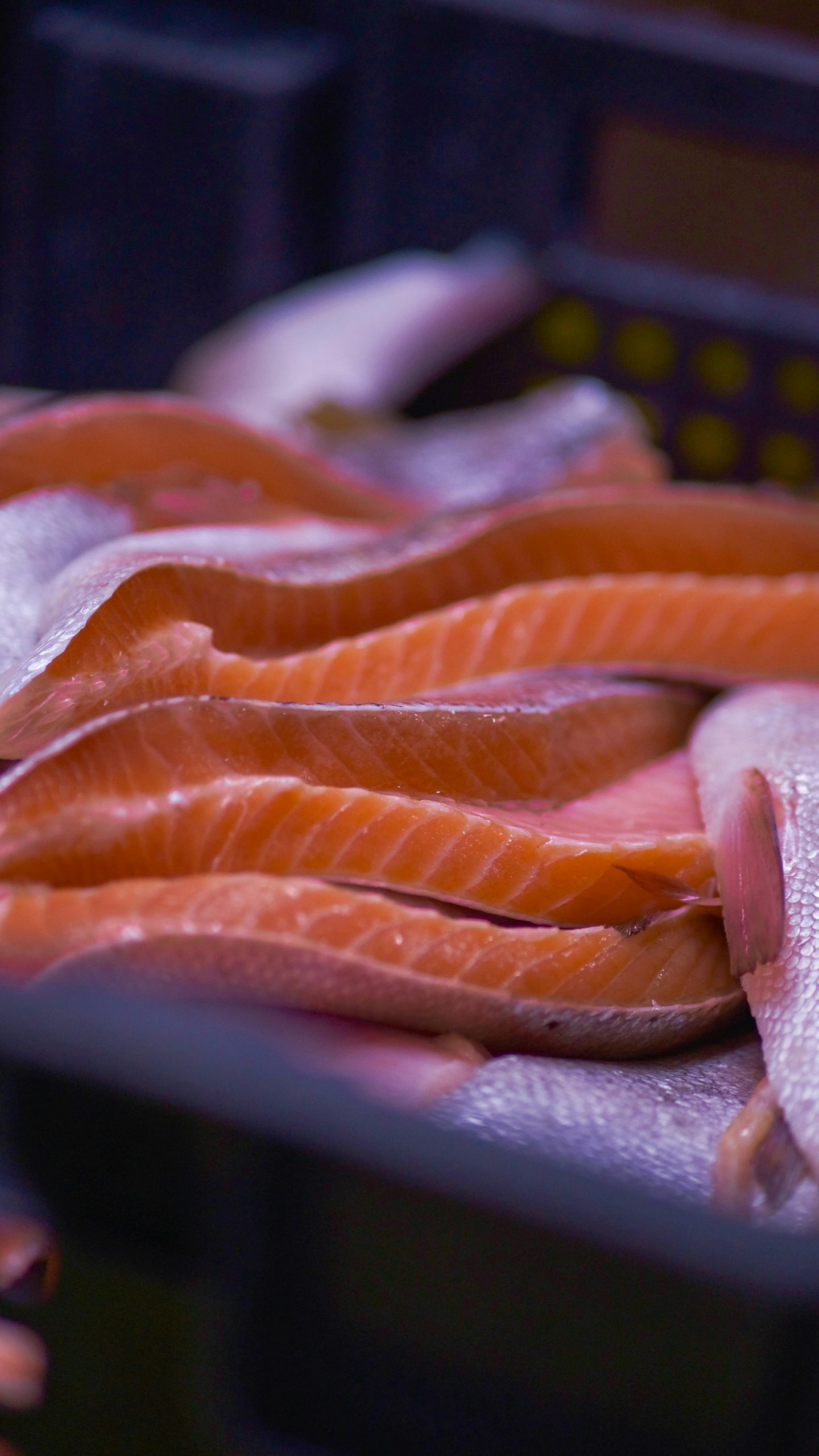
Common mistakes and how to fix them (at home and for catering)
The most common mistake is uneven salting: the mixture clumps in one spot or the fillet is of uneven thickness, causing the thin end to be oversalted. The solution is simple: spread the mixture evenly, use a piece of uniform thickness, or shorten the time if the fillet is thin. Turning it halfway through helps, as the curing liquid (the fish's own juices + salt) redistributes.
Another common pitfall is a refrigerator that is too warm or working for too long in a warm environment. Gravad fish is not cooked, so temperature control is important for both quality and safety. If you are gravad-ing large quantities, make sure the package is not too thick: the cold cannot penetrate, and the gravad-ing will proceed unevenly.
Brief note
In a professional kitchen, curing is always linked to self-monitoring: temperature monitoring, utensil hygiene and prevention of cross-contamination make daily work and audits easier.
The third mistake is over-salting, which results in an over-done and overly salty final product. In this case, you can save the situation by slicing the fish thinly and serving it with a fatty component (e.g., crème fraîche, egg butter, avocado spread) and a neutral bread or potato. In some cases, a quick rinse with cold water and careful drying can soften the saltiness, but only do this once and then slice soon after.
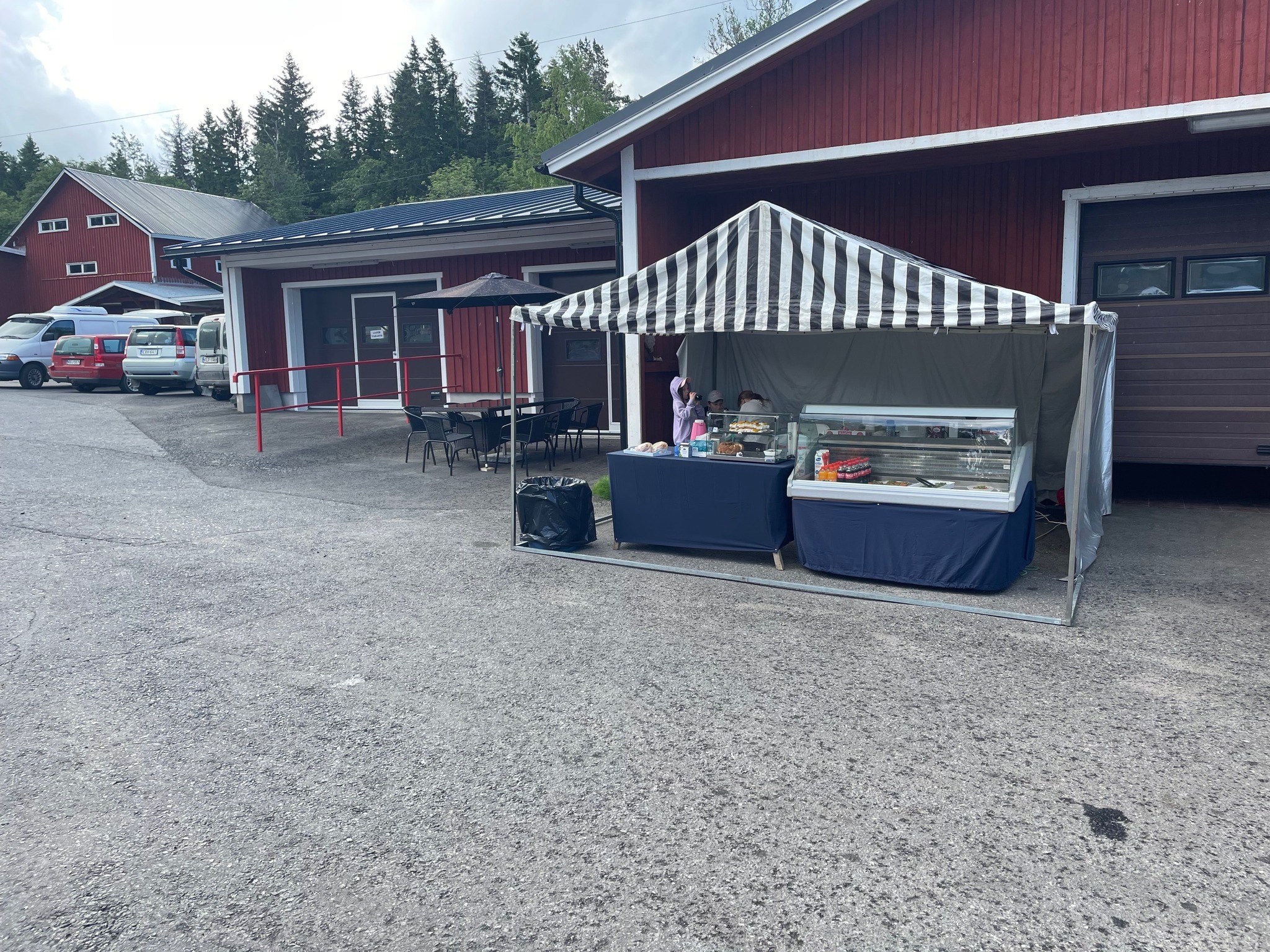
Serving ideas for brunch and a party: carving, accompaniments, and presentation
Gravad trout is best when sliced correctly. Use a long, sharp knife and cut at a shallow angle with a light stroke. Allow the fish to rest for a while in the cold after gravad, wipe the surface, and only slice just before serving: this way the surface will not dry out and the aromas will remain bright. Slightly thicker slices work well for brunch, while thin, almost translucent slices are ideal for a celebratory meal.
The side dishes should be chosen according to the occasion. Soft and fresh elements (scrambled eggs, fresh cucumber, citrus cream cheese) are suitable for brunch, while for a celebration, you can build an impressive ensemble around blinis, pickled red onion, and roe/lemon foam, for example. Potatoes are a safe bet: boiled new potatoes or potato flatbread balance the salt and make the dish more substantial.
Functional serving solutions With these, you'll get the grave out without any unnecessary fuss.
Brunch board Smoked rainbow trout, scrambled eggs, cucumber ribbons, dill, lemon wedges, and rye bread.
Blini buffet Mini blinis, cured rainbow trout, sour cream, red onion and herb oil – easy to scale for catering.
Potatoes and gravad Chilled boiled potato, chives, mustard sauce, and cured slices on top.
Party appetiser Thin slices, fennel salad and citrus zest – the dish looks light but feels polished.
When planning quantities for a larger group, bear in mind that gravad fish works well both as a cold starter and as part of a buffet. A good rule of thumb is to estimate approximately 60–100 g per person, depending on how it is served: closer to the upper end for brunch, and closer to the lower end for cocktail-style servings. You can get more reassurance regarding storage and serving timing from the guide: Storing rainbow trout at home.
Order gravad rainbow trout ready-made: fresh domestic rainbow trout from Rågårds Lax
If the schedule is tight or you want to ensure consistent quality for, for example, a restaurant, catering kitchen, or food service business, it’s advisable to order gravlax salmon ready-made. Ab Rågårds Lax Oy supplies products to businesses and consumers all over Finland, and their selection also includes fresh salmon and smoked options. This is particularly beneficial during peak seasons when a kitchen has many simultaneous preparations underway and efficient cold storage management becomes crucial.
Local sourcing is evident in the taste and traceability: when you know where the fish comes from, you can communicate that to customers or party guests too. Additionally, you get a consistent product whose slicing, portioning, and presentation are easy to standardise. If you're looking for other options for your celebration table, feel free to compare smoked products: Warm-smoked or cold-smoked rainbow trout?
Orders and further inquiries can be made by phone at +35862229143, and more information about the company and deliveries can be found on the website Fresh rainbow trout direct from the fish farmerWhen the raw ingredient is fresh and the process is right, gravad trout always turns out well – and at its best, it’s exactly the dish that garners praise at brunches and festive tables.
Order domestic gravad rainbow trout easily
Would you like a reliable and consistent gravlax for brunch, a celebration, or a professional kitchen? Call Rågårds Lax and ask about availability and delivery.
This is how we can help
Gravad rainbow trout
Offers gravad rainbow trout to customers and for resale.
Learn about the service →
Fresh rainbow trout for sale
I sell domestic rainbow trout fresh daily to various customer groups.
Learn about the service →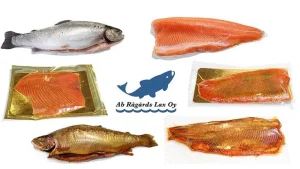
Hot smoked rainbow trout
Prepare and sell warm-smoked rainbow trout for everyday and special occasions.
Learn about the service →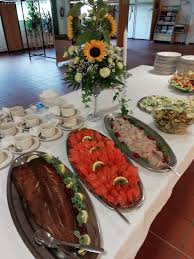
Cold-smoked rainbow trout
Prepares and sells cold-smoked rainbow trout to order.
Learn about the service →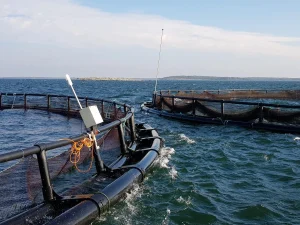
Wholesale and corporate deliveries
To supply fish products to shops, restaurants, industrial kitchens and other business customers nationwide.
Learn about the service →
Orders by phone
Taking orders and further enquiries by telephone.
Learn about the service →We serve in these cities
Interested? Contact us!
Contact us using the form below