
Fish preparation in a professional kitchen: filleting, portioning and waste minimisation
The handling of fish in a professional kitchen accounts for a surprisingly large part of the menu's margin: when filleting, portioning, and the cold chain are done correctly, yield improves and consistency increases. At the same time, waste decreases, working time is more efficient, and the customer receives the same portion every time. In this article, we will go through concrete, practically working...

You can leave us a call request
Leave your name and number and we'll call you back.
Fish processing in professional kitchens accounts for a surprisingly large portion of the menu's profit margin: when filleting, portioning, and the cold chain are handled correctly, yield improves and consistency increases. At the same time, waste is reduced, working hours are more efficient, and the customer receives the same portion every time. In this article, we will go through concrete, practical methods for processing fish safely and cost-effectively in a professional kitchen – from the perspective of Rågårds Lax Oy Ab, with quality and professional workmanship leading the way.
Fish handling in professional kitchens: cold chain, hygiene and workstation
Efficient preparation begins with a workstation designed for fish, not as a general-purpose compromise. Handling fish in a professional kitchen requires a consistent temperature, clear "dirty–clean" boundaries, and a workflow that prevents cross-contamination. When receiving, storage, filleting, and packaging/preparation always proceed in the same direction, it's easier for staff to do things correctly, even under pressure.
In practice, this means, for example, separate fish boards and knives, easy-to-clean containers, and clear labelling (date, batch, intended use). You can find the basic principles of food hygiene from official sources; you can get a good overview of cold storage and food safety from here, for example: Food safetyHowever, the most important thing in a professional kitchen is to make the instructions a routine: the right temperature, the right tools and the right order every shift.
Basic settings that save money every day When these are in order, faults and waste will decrease rapidly.
Temperature control Keep the fish at a temperature as close as possible to 0–2 °C and keep the time spent at room temperature to a minimum.
Clear work plan Receipt → pre-processing → filleting → portioning → packaging; no back-and-forth movement.
The right tools A sharp filleting knife, tweezers for bones, and a non-slip chopping board will reduce "tearing" and weight loss.
Quick cleans Rinse and disinfect critical surfaces between batches; dirt and scale increase the risk of slipping.
If there are multiple terms for the same thing in-house (e.g., "salmon", "salmon fillet", "trim", "boneless", "C-trim"), using a common language makes ordering easier and reduces misunderstandings. Good internal support material is also Glossary in plain languagewhich can be used for induction and standardisation of quality criteria.
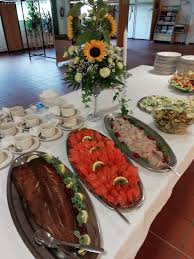
Filleting in a professional kitchen: a technique that increases yield
When filleting, the yield comes from millimetres. The most common cost leakage is not "bad fish", but uneven technique: too deep a cut over the bones, excessive trimming, or tearing the fillet with a blunt knife. When the knife is sharp and the movement is controlled, the fillet detaches cleanly from the carcass, leaving as little meat as possible on the bone line. This directly affects portion cost and consistency.
It is also worth standardising the type of trim required. Some kitchens want a "premium" trim (per
A sharp knife and a consistent trim level are the fastest way to improve yield – while also ensuring every portion looks the same.
When filing, it's also worth doing a "quality check": assessing the smell, colour, and texture, as well as any damage. If you want to deepen your understanding of the criteria for purchasing and identifying quality, good further reading is What to consider when buying fish and shellfishWhen even small observations are systematically made at reception, complaints and failed batches decrease.
Fileoinnin tarkistuslista (ammattikeittiön arkeen)
The correct technique is important, but repeatability is even more important: the same end result from different people and on different days. Therefore, it is worth agreeing on a few unambiguous metrics (e.g., neatness after hindquarter splitting, width of the paunch trim, skinning if necessary) and going through them during the induction.
Routines that support retention in file processing Small, repetitive habits prevent weight loss and improve appearance.
Sharpening before the game Sharpen and straighten the blade before you start – don't wait until the cut weakens.
Cut the bone lengthwise Guide the blade along the bone, don't saw through the meat.
Get the cores out immediately Remove bones with tweezers before portioning: consistency and customer experience improve.
Tidy up Sort the trim by its intended use (tartare, soup, farce) and not "into one pile".
Annealing and tempering: consistency, batch counting and speed
Portioning is the point where the kitchen either nails the yield or loses it. Standardised portion weights, cutting directions and piece sizes help both in preparation and on the line: cooking is more predictable, waste is reduced and the plate appearance is consistent. Furthermore, portion costing becomes reliable when the portion is not subject to variability from the individual.
It is recommended to agree on a few standard formats (e.g. 120g roast piece, 90g oven piece, 60g tartare cubes) and document them visually at the workstation. However, when portioning is done partly in advance, remember temperature control: portioned fish heats up faster than a whole fillet, so batch sizes must be realistic.
| Format | Typical application | How to improve yield |
|---|---|---|
| Fry-up (evenly thick) | Frying pan / griddle | Uniform thickness reduces overcooking and drying losses |
| Oven pizza (slightly thicker) | Oven / sous vide pre-cooking | Less edge crumbling; easier to time maturity |
| Cubes / strips | Tartare, wok, soup | Utilise the trim; reduce over-precision in cutting "display chunks". |
| Leather vs. leather-free | Roast ready vs sauce portion | The right choice reduces unnecessary handling and improves the cooking result |
Once the standardisation is in order, you can compare supplier-specific differences much more fairly: the same dosage form, the same trim level, and the same process. If you want a broader view of sales and delivery realities, also check out the page 10 facts about selling fishIt helps to understand why batches can vary and how the kitchen can protect its own quality by agreeing on clear specifications.
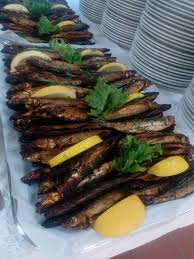
Minimising waste: Improving yield and utilising by-products
Waste is not just about the food waste bin – it’s also about unnecessary working hours, overly large pre-production batches and unclear uses for trimmings. One of the most effective ways to reduce waste is to create a "usage plan" before filleting: what will be sold as portions, what will go to the buffet/soup, and what the trimmings will be used for. When a main purpose is defined for each part, fewer mixed leftovers are created, waiting for the next day.
Yield can also be improved with process metrics: weigh the incoming fish, weigh the outgoing fillet/portions, and monitor the trim quantity on a weekly basis. Even a few percent change in yield can be significant in euros, especially with more valuable species. It is important that the measurement does not become “blaming” but rather learning: where too much is being cut, and where the quality criterion is unclear.
Brief note
When you define common quality and trim targets for a kitchen, it's easier for the supplier to ask for the right pre-processing and save working time.
Storage and rotation are also at the core of waste. Open packaging only close to use, protect the surface from drying out (cover, GN lid), and use clear FIFO principles. If fish is pre-cooked, monitor cooking waste: too high heat or too long a time will show as a drop in weight and a crumbling texture, which increases plate waste.
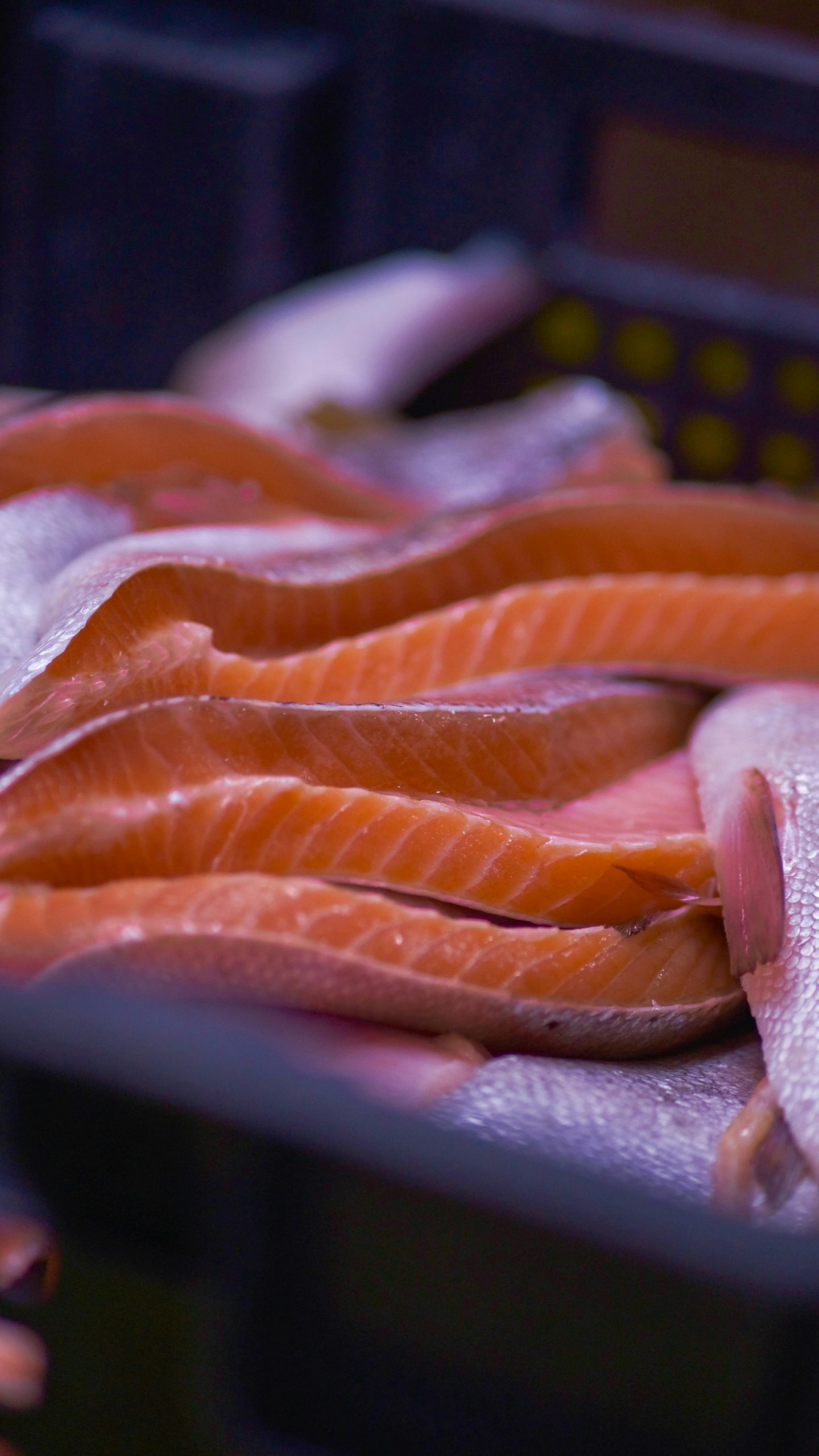
Safety and Risk Management: Work Ergonomics, Knife Safety, and Traceability
Fish processing in a professional kitchen is fast-paced knife work, so safety is part of productivity. Slips, cuts, and rushed shortcuts are a real cost – in sick leave and quality errors. Invest in a non-slip surface, knife maintenance, and working postures: the correct working height and a clear workspace reduce fatigue, which also helps maintain a consistent cut.
Traceability and labelling are equally part of risk management. When the batch, delivery date and storage conditions are documented, it is easier to react quickly to deviations. This is especially important if the kitchen uses several types of fish, different degrees of processing, or prepares products for multiple points of service. For a company like Rågårds Lax Oy Ab, clear customer specifications (size, trim, packaging) also help to keep deliveries consistent and reduce complaint cycles.
If you want to assemble your own "minimum package" for risk management, you should at least ensure: familiarisation (1-2 people responsible), checklists (reception and pre-processing), and logging of deviations. This way, development will be based on observations rather than memories.
Summary: When workstations, filleting, and portioning are standardised, yield improves and waste decreases without sacrificing quality – often the opposite. Make the cold chain a routine, agree on trimming levels, standardise portion formats, and make measuring a part of everyday work. This way, fish handling in professional kitchens becomes a controlled process that produces consistent food and protects the bottom line, even on busy days.
Do you want to guarantee a consistent fish delivery?
Tell us about your kitchen's portion formats and trim levels – we'll help you find a supply model that improves yield and reduces waste.
This is how we can help

Fresh rainbow trout for sale
I sell domestic rainbow trout fresh daily to various customer groups.
Learn about the service →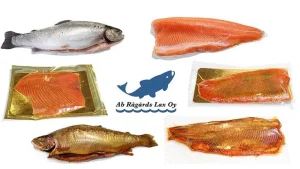
Hot smoked rainbow trout
Prepare and sell warm-smoked rainbow trout for everyday and special occasions.
Learn about the service →Cold-smoked rainbow trout
Prepares and sells cold-smoked rainbow trout to order.
Learn about the service →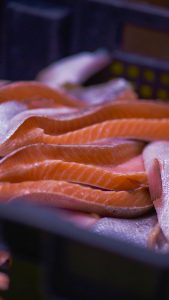
Gravad rainbow trout
Offers gravad rainbow trout to customers and for resale.
Learn about the service →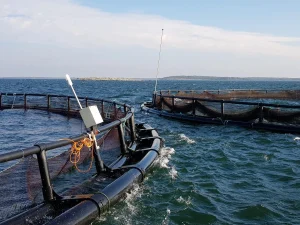
Wholesale and corporate deliveries
To supply fish products to shops, restaurants, industrial kitchens and other business customers nationwide.
Learn about the service →
Orders by phone
Taking orders and further enquiries by telephone.
Learn about the service →Interested? Contact us!
Contact us using the form below