
Seasonal Calendar in Finland: What fish and shellfish should you buy in different seasons?
The seasonal calendar in Finland helps restaurants and professional kitchens make smarter fish and seafood purchases throughout the year. When purchases and menu planning are tied to seasons, you often get better quality, more consistent availability, and a more competitive price – while also improving sustainability, as the selection relies on natural fishing and farming rhythms. Rågårds…

You can leave us a call request
Leave your name and number and we'll call you back.
Seasonal calendar in Finland helping restaurants and professional kitchens make smarter seafood purchases throughout the year. When purchases and menu planning are tied to the seasons, you often get better quality, more consistent availability, and a more competitive price – while also improving sustainability, as the selection relies on natural fishing and farming rhythms.
From Rågårds Lax Oy Ab's perspective, seasonal thinking is also a way of managing practical risks:
Why is the Seasonal Calendar in Finland worth using as a procurement tool?
Seasonal thinking brings four benefits to procurement that are directly reflected in the profit margin: price, availability, quality, and responsibility. When
Another practical benefit is predictability. When the season calendar is part of your weekly meeting and shopping lists, you can plan batch sizes, pre-preparation, and sales forecasts more realistically. Additionally, the season provides a credible story for the menu: it's easy to justify to the customer why, for example, pike-perch, whitefish, or domestic rainbow trout are on offer right now. More on responsibility, for example, the logic of WWF's fish guide; it's a good general background source for making choicesWWF Fish Guide).
The tangible benefits of seasonal purchasing for a restaurant When you make seasonality a routine, the effect is seen in both purchasing and sales.
Better margin A seasonable ingredient keeps the cost per portion competitive without compromising on quality.
Less waste Fresher raw ingredients can withstand processing and fluctuations in demand better.
Smoother production When the seasons are known, preparation and shift planning are easier.
A selling story Seasonal communication helps staff recommend dishes and increases customer confidence.
Spring and early summer: Seasonal calendar in Finland lightens the load
In spring, many restaurants update their menus to be fresher: broths become lighter, side dishes greener, and portion sizes are balanced. On the fish and seafood front, this often means clearer flavour pairings and simple cooking techniques that highlight the ingredient. Spring is a good time to offer, for example, whitefish and zander, if availability and price are right, as well as to build solid basic options around rainbow trout or salmon products.
The early summer is an excellent time from the perspective of seasonal thinking to also make a "seasonal change" to purchasing routines: update specifications, check delivery dates and agree with the supplier on alternative species if a particular fish is moving quickly in the market. In practice, this means that the menu will feature 1-2 clear seasonal purchases, with flexible components that vary according to availability (sauce, side dish, cooking method) revolving around them.
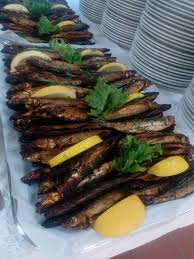
Seasonal thinking isn't a limitation – it's the kitchen's way of buying smarter and selling bolder.
Summer and late summer: crustaceans and barbecue season fish
In summer, demand often splits into two: light, quickly prepared dishes and impressive, shareable options. Shellfish are excellent for this, provided product handling, the cold chain, and batch sizes are under control. Late summer is also a good time to take advantage of smoking, grilling, and open-fire flavours. At this time, the menu can rely on "familiar but better": for example, salmon and rainbow trout products, whitefish, and pike-perch work well in many concepts when the cooking, curing, and sauce are perfected.
From a restaurant's perspective, the most important seasonal lesson of summer is preparation: the weather affects customer flow, which is reflected in sales. Therefore, for shellfish and fish, it is advisable to agree with the supplier on alternative products and delivery schedules. If you want to review the practical principles of sales and packaging, these will be useful: 10 facts about selling seafood and What to consider when buying fish and shellfish.
Summer list shopping tips With these principles, you'll keep your summer purchases under control without compromising on quality.
Have alternative products ready in advance. If a particular shellfish or fish species is scarce, there must be a "Plan B" on the menu.
Utilise multifunction cuts The same raw ingredient can be used as tartare, grilled, and in soup.
Design cold storage realistically Hot days highlight the importance of logistics and reception.
My season with a story Here's a list of why the selected fish or shellfish is at its best right now: * **Seasonality:** This species is in peak season, meaning it's most abundant and readily available. * **Flavour:** During its prime season, the fish/shellfish typically has the richest and most developed flavour. * **Texture:** The texture is often at its firmest and most desirable when in season. * **Fat Content:** For many species, fat content increases during certain periods, leading to a more succulent and flavourful product. * **Nutritional Value:** Peak season can also correlate with higher nutritional content. * **Sustainability:** Choosing fish that are in season and plentiful often supports more sustainable fishing practices. * **Price:** When a species is in season and readily available, it can often be more cost-effective.
Brief note
When staff use the same terms, the customer feels confident in the service. A clear glossary also makes ordering and receiving easier.
Autumn: the harvest season on your plate and the richness of fish
Autumn is the most important season of the year for many restaurants: customer flows stabilise, corporate events return and seasonal ingredients are at their best. Fish and seafood fit in naturally, as autumn’s accompaniments – root vegetables, mushrooms, cabbage and rich sauces – especially complement dishes that are pan-fried or finished in the oven. The "two-tier" approach often works well in autumn too: the menu features one premium highlight (e.g. an impressive seafood dish) and alongside it, an easily replicable, well-remunerated fish dish.
From a procurement perspective, autumn is a good time to conduct a quick audit: which products sold well in the summer, which didn't, and what needs to be changed. If your goal is to increase the proportion of fish in your sales, pay particular attention to standardising filleting, portion size, and cooking techniques. When the process is standardised, it's easier to vary the raw ingredients according to the season without quality fluctuations. A practical sales perspective also suits the background 10 facts about selling fish.
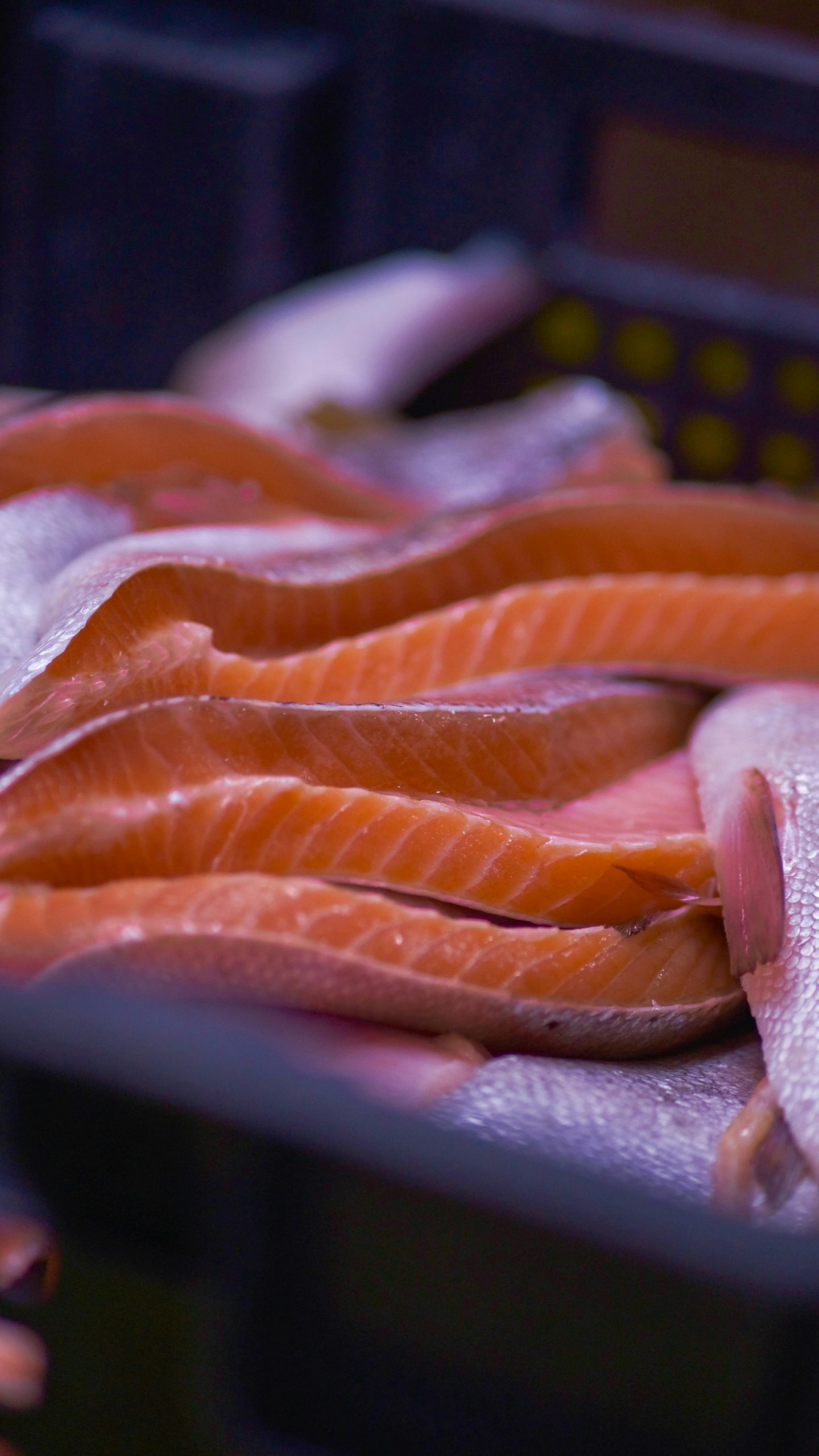
| Season | What should be emphasised | Buyer's checklist |
|---|---|---|
| Late spring–early summer | Fresh fish dishes, clear ripeness and a light side dish | Delivery rhythm, freshness window, flexible options |
| Summer–late summer | Grilled fish, shellfish and sharing platters | Cold chain, batch sizes, substitute products, and rapid pre-preparation |
| Autumn | Rich gravies, roast/oven dishes, premium uplifts | Portion size, standardised work steps, waste tracking |
| Winter | Warming soups, stews, and reliable basics | Contract products, storage capacity, uniformity |
Winter: certainty, storage and consistent quality
During winter, customers often seek comfort food and warming flavours, and the menu rhythm can be calmer than in summer. This is a good period to build sales around products with consistent availability and quality. In practice, this means choosing 1-2 "anchor products" (for example, salmon/rainbow trout products or other readily available options) and supplementing the menu with changing batches when good opportunities arise. The winter season also rewards careful receiving and handling: temperature monitoring, checking packaging labels, and FIFO (First-In, First-Out) rotation directly impact profitability.
In winter, seasonal thinking is particularly evident in not trying to force the sale of everything all the time. Instead, you build a menu that can withstand delivery disruptions and price spikes: one reliable fish dish, one soup-based option, and one seasonal "surprise" that changes according to availability. If you want to build even more credibility with the customer, you can also communicate about origin and supplier – for example, by stating that the products come from a local supplier such as Rågårds Lax Oy Ab.
Winter season practical routines These actions will help to maintain consistent quality and keep costs under control.
Standard recipes and cooking levels Define clear gram weights and maturity targets to maintain consistent quality.
Track wastage weekly In winter, even a small overproduction quickly shows up in euros.
Update the shopping list according to the season When the Seasonality Calendar is in use in Finland, a shopping list won't "expire" unnoticed.
Train the room to sell One sentence about the quality and origin of raw materials increases additional sales.
Here's how to implement a Seasonal Calendar in Finland: menu, procurement, and communication
A functional seasonal policy is created when menu planning, procurement, and communication work together. First, create a clear framework: define dishes in 4–6 week periods, where fish and seafood are “variable components” according to the season. When the same dish logic can be implemented with several species, you won’t have to redo the entire menu as availability changes. This also reduces the kitchen's workload, as the work steps remain more familiar.
When purchasing, it is worth agreeing on a communication rhythm with the supplier: when you will receive advance information on availability, how substitute products will be approved, and with what specifications (size, shape, packaging, origin). If you need background information on how operating models are reflected in the end result, you can also read: What is a "professional footprint" - and how to recognise it?In communication, simplicity is key: highlight 1–2 seasonal components on the menu (freshness and flavour) and keep the staff's sales pitch concise.
Finally, a seasonality calendar is not a once-a-year trick, but a recurring routine. When the seasonality calendar is part of the planning in Finland, customers learn to expect and appreciate variety. The restaurant gets a tool to improve profitability, and the supplier can serve better when needs are predictable. It's a win-win for the entire chain.
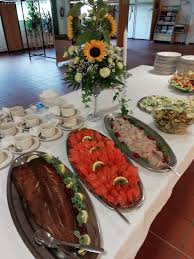
Would you like to secure the best purchases of the season?
Ask Rågårds Lax Oy Ab for a recommendation on the seasonal fish and seafood selection and delivery schedule for your restaurant's needs.
This is how we can help
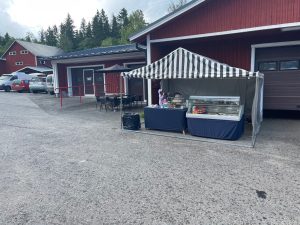
Fresh rainbow trout for sale
I sell domestic rainbow trout fresh daily to various customer groups.
Learn about the service →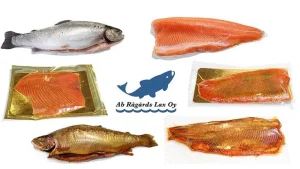
Hot smoked rainbow trout
Prepare and sell warm-smoked rainbow trout for everyday and special occasions.
Learn about the service →Cold-smoked rainbow trout
Prepares and sells cold-smoked rainbow trout to order.
Learn about the service →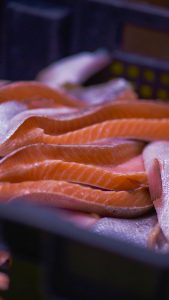
Gravad rainbow trout
Offers gravad rainbow trout to customers and for resale.
Learn about the service →
Wholesale and corporate deliveries
To supply fish products to shops, restaurants, industrial kitchens and other business customers nationwide.
Learn about the service →
Orders by phone
Taking orders and further enquiries by telephone.
Learn about the service →Interested? Contact us!
Contact us using the form below